Practical Guide to Activities of Daily Living (ADLs)

Checking in on Mom and Dad…

Life gets busy. Weeks can pass before you realize you have not really checked in on how your parents are doing day to day. A quick phone call is not always enough. There is no better way than spending time with them to notice the small things firsthand.
One of the simplest ways to understand their needs is by looking at Activities of Daily Living, often called ADLs. These are basic tasks people do every day to take care of themselves. When these start to slip, it is often a sign that extra support is needed.
Healthcare professionals group ADLs into six key areas. Once you know what to look for, you can spot changes early and take action.
What Are ADLs and Why They Matter
ADLs are the core tasks your parents need to live safely and independently. When one area becomes difficult, it often affects others.
You might notice small changes at first. A missed shower. Wrinkled clothes. Uneaten food in the fridge. These are not just one-off moments. They are signals.
Spending time together helps you see these patterns. Sit with them during meals. Walk through their home. Pay attention to routines.
If something feels off, trust that instinct.
Bathing and Grooming: The First Signs Often Show Here
Bathing and grooming include things like showering, brushing teeth, combing hair, and shaving.
This is often one of the first areas where people struggle. It can feel overwhelming or even unsafe if balance is an issue.
What to look for:
- Body odor or unchanged clothing
- Greasy hair or unbrushed teeth
- Fear of getting into the shower or tub
Picture this. You visit your dad and notice he is wearing the same shirt as last week. His hair looks unwashed. When you ask, he shrugs it off. This may not be forgetfulness. He may be worried about slipping in the shower.
How to help:
- Suggest simple safety upgrades like grab bars or a shower chair
- Offer help in a respectful way, not as a demand
- Start small, like setting a routine for shower days
If safety is a concern, it is time to talk to a healthcare provider.
Dressing: More Than Just Picking Clothes
Getting dressed sounds simple, but it involves coordination, memory, and decision-making.
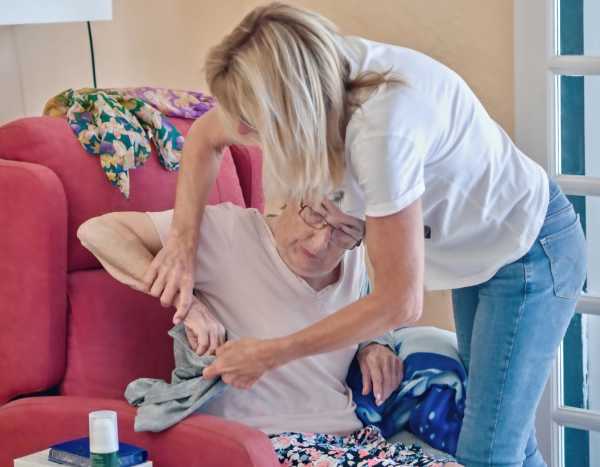
What to look for:
- Clothes that do not match the weather
- Difficulty with buttons or zippers
- Wearing the same outfit every day
You might notice your mom wearing a heavy sweater on a warm day. Or she struggles to button her shirt and gets frustrated.
How to help:
- Choose clothing that is easy to put on, like elastic waist pants
- Lay out outfits ahead of time
- Keep choices simple to avoid overwhelm
These small adjustments can make a big difference.
Eating: Watching for Subtle Changes
 Eating is not just about having food in the house. It is about being able to prepare and eat it.
What to look for:
- Weight loss or gain
- Spoiled food in the fridge
- Full plates left untouched
Imagine opening the fridge and seeing expired food. Or you sit down for dinner and your mom or dad barely eats.
How to help:
- Stock easy-to-prepare meals
- Eat together when you can
- Check if they are having trouble using utensils
If eating becomes a challenge, it can lead to bigger health issues quickly.
Toileting: A Sensitive but Important Topic
Toileting includes getting to the bathroom, using it, and staying clean.
This can be hard to talk about, but it is important.
What to look for:
- Accidents or strong odors
- Difficulty getting to the bathroom in time
- Avoiding drinking fluids
You might notice extra laundry or a reluctance to leave the house. These can be signs of concern.
How to help:
- Make the bathroom easy to access
- Add night lights for visibility
- Encourage open conversation without embarrassment
Approach this with care. Dignity matters.
Transferring: Moving Safely Between Positions
Transferring means getting up from a chair, out of bed, or standing up.
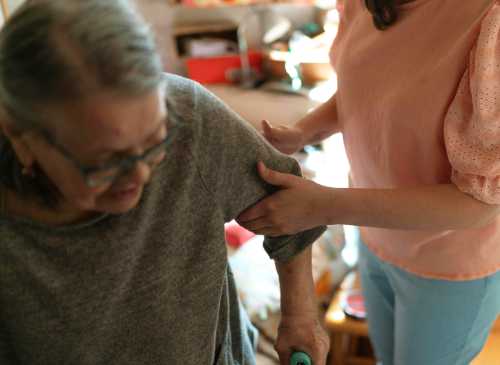
What to look for:
- Struggling to stand up
- Using furniture for support
- Moving slowly or cautiously
You may see your parent rock back and forth before standing. Or they avoid getting up altogether.
How to help:
- Add sturdy chairs with armrests
- Remove tripping hazards
- Encourage light strength exercises if appropriate
Falls often happen during these moments. Prevention is key.
Mobility: Staying Active and Independent
Mobility is about moving around safely. This includes walking or using a wheelchair.

What to look for:
- Shuffling or unsteady movement
- Avoiding stairs
- Staying in one room most of the day
You might notice your mom or dad no longer goes outside or avoids certain parts of the house.
How to help:
- Clear walkways in the home
- Encourage short daily walks
- Look into mobility aids if needed
Loss of mobility can lead to isolation. Staying active helps both physical and mental health.
When to Seek Help
If you notice issues in any of these areas, do not wait. Early action can prevent bigger problems.
Talk to a healthcare provider. They can assess what support is needed and guide next steps.
You are not expected to handle everything on your own.
Finding the Right Support for Your Family
There may come a point when your loved one needs more help than you can provide at home. That is where professional care makes a difference.

Communities like Rowntree Gardens offer a full range of support, including independent living, assisted living, memory care, and skilled nursing.
Their services focus on helping residents stay safe, maintain dignity, and enjoy daily life while encouraging independence.
Checking in on your mom and dad is one of the most important things you can do. Pay attention to the details, start the conversation early, and know that support is available.
We’re here to help. Feel free to contact us with any questions or schedule a tour of Rowntree Gardens.